
Caritas Germany Review Disaster Resilience Initiatives in Jumla and Kalikot
- May 30, 2026
- Caritas Nepal
- No Comments
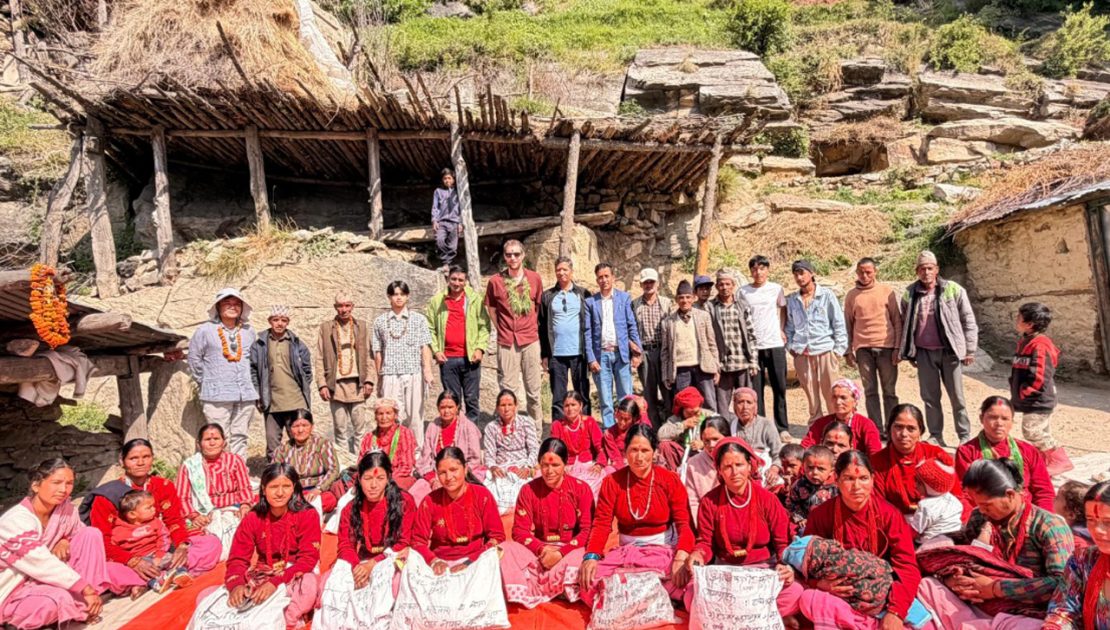
Jumla/Kalikot, Karnali Province – May 2026
A delegation comprising representatives from Soren Ronge (Caritas Germany), Caritas Nepal and PACE Nepal conducted a field monitoring visit to Jumla and Kalikot districts from 23 to 25 May 2026 to observe the progress and impact of the “Unifying Together for Humanitarian Assistance and Disaster Preparedness in Nepal (UTHAN)” project. The visit provided an opportunity to witness firsthand how vulnerable communities in Karnali Province are becoming more resilient to disasters through improved preparedness, safer housing, climate-smart agriculture and strengthened local governance.
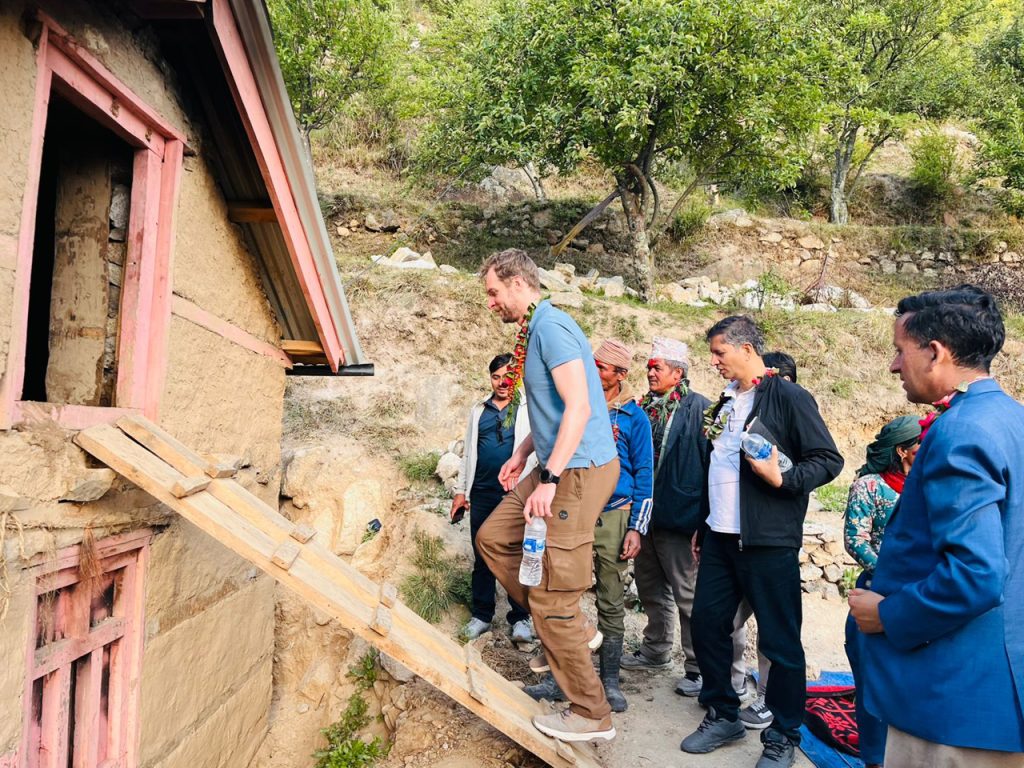
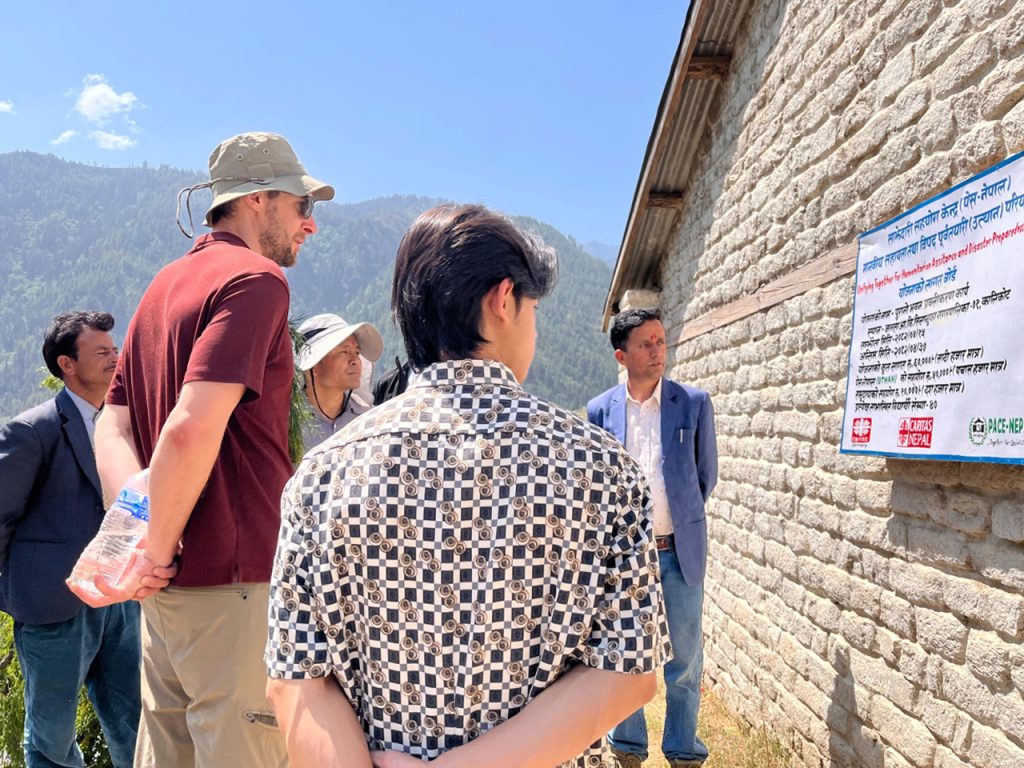
During the three-day visit, the delegation visited project sites in Tilagufa Municipality of Kalikot and Sinja Rural Municipality of Jumla. The team observed safe shelter houses built for earthquake-affected families, landslide mitigation works around schools, climate-smart agriculture initiatives led by local youth, school retrofitting efforts, and local disaster preparedness mechanisms. One of the highlights of the visit was meeting beneficiaries whose homes were destroyed by the 2023 earthquake. Through support from the UTHAN project, implemented by PACE Nepal with support from Caritas Germany and Caritas Nepal, vulnerable households have been able to rebuild safer and more resilient homes using earthquake-resistant construction techniques. The delegation also visited community-led climate-smart agriculture initiatives where youth groups are generating income through vegetable farming, mushroom cultivation, and bio-pesticide production. These activities are helping strengthen local livelihoods while promoting sustainable agricultural practices. Interactions with Community Disaster Management Committees (CDMCs), child clubs, youth groups, and local government representatives revealed increased awareness and preparedness for disasters. Communities have adopted practices such as emergency go-bags, evacuation planning, and early warning mechanisms, demonstrating the positive impact of disaster risk reduction interventions.
Soren Ronge appreciated the strong participation of community members, the commitment of local governments, and the dedication of field staff working in remote and challenging terrain. The visit also highlighted the importance of continued investment in early warning systems, disaster-resilient infrastructure, and community-based preparedness initiatives to ensure long-term sustainability. The monitoring team concluded that the UTHAN project has significantly contributed to strengthening community resilience and disaster preparedness in Karnali Province. The collaboration between communities, local governments, PACE Nepal, Caritas Nepal, and Caritas Germany serves as a strong example of partnership-driven resilience building in some of Nepal’s most disaster-prone areas. The UTHAN project continues to support vulnerable communities in building safer, more resilient futures through disaster risk reduction, climate adaptation, and sustainable livelihood interventions.


