Bhotekoshi Flood Causes Widespread Destruction, Leaving Communities in Urgent Need
- August 27, 2026
- Caritas Nepal
- No Comments
Kathmandu, 27 August 2026
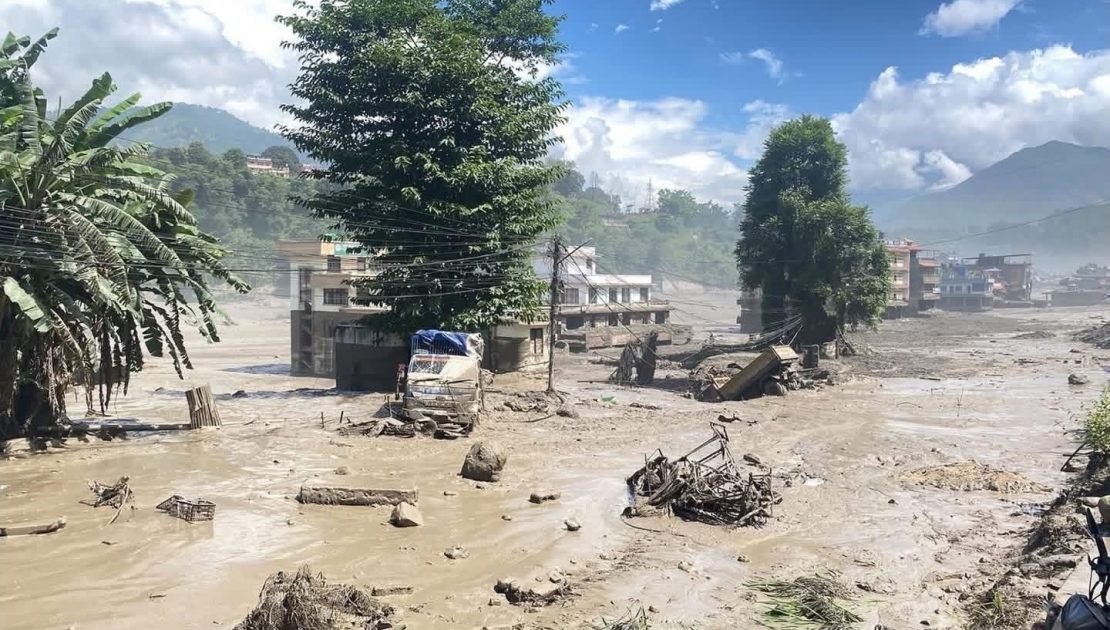
A devastating flash flood swept through the Bhotekoshi River corridor in Rasuwa district on 26 August 2026, causing extensive loss of life, displacement and destruction of critical infrastructure. The sudden surge entered Nepal from the Tibetan side before moving downstream through the Bhotekoshi and Trishuli river systems, affecting communities and infrastructure across Rasuwa, Nuwakot and Dhading and further downstream areas.
According to the Government of Nepal’s update issued on 27 August at 8:00 PM, 359 bodies had been recovered from the affected river areas, while many people including local residents and tourists remained missing. Search and rescue operations were continuing, with security agencies, local authorities and health services mobilised to locate survivors, evacuate affected people and provide emergency assistance.
The flood caused severe destruction in several settlements along the river corridor. Timure, Syabrubesi, Betrawati and other riverside communities were among the areas heavily affected. Houses, businesses, public facilities and other properties were swept away or buried under mud, rocks and debris. The disaster also disrupted transportation, communication, electricity and access to essential services.
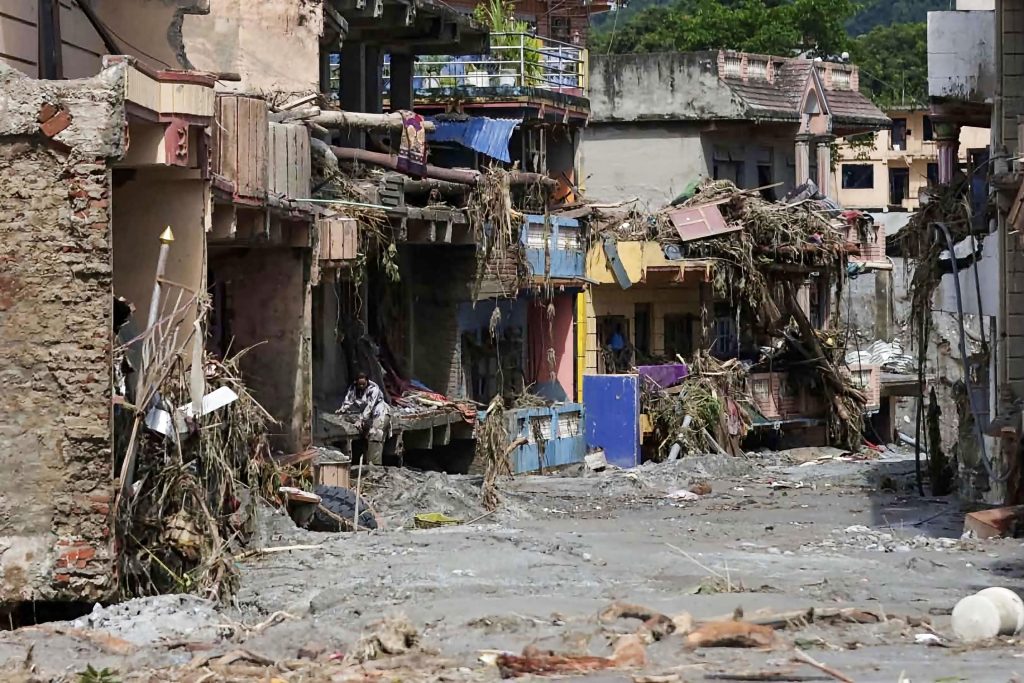
The impact on transportation infrastructure has been particularly severe. The 42-kilometre road connecting Betrawati in Nuwakot with the Rasuwagadhi border crossing in Rasuwa was damaged at multiple locations, with several concrete bridges washed away. This important route provides connectivity to the Nepal-China border and is also a major trade and supply corridor.
The flood has also caused significant damage to Nepal’s hydropower infrastructure. A hydropower project was washed away, while other facilities, including the Chilime Hydropower Project, were damaged. The extent of damage to power generation and transmission infrastructure was still being assessed on 27 August.
The education sector has also been affected. According to information collected by the Ministry of Education, 20 schools in Rasuwa, Nuwakot and Dhading had suffered varying degrees of damage—five in Rasuwa, seven in Nuwakot and eight in Dhading. Many classrooms were filled with mud, sand and silt, disrupting learning for children in the affected communities.
Beyond the immediate loss of lives and infrastructure, the disaster has created urgent humanitarian needs. Families whose homes and livelihoods have been affected require safe shelter, food, drinking water, sanitation, healthcare, protection and psychosocial support. Continued access to affected communities remains a major challenge because of damaged roads and bridges.
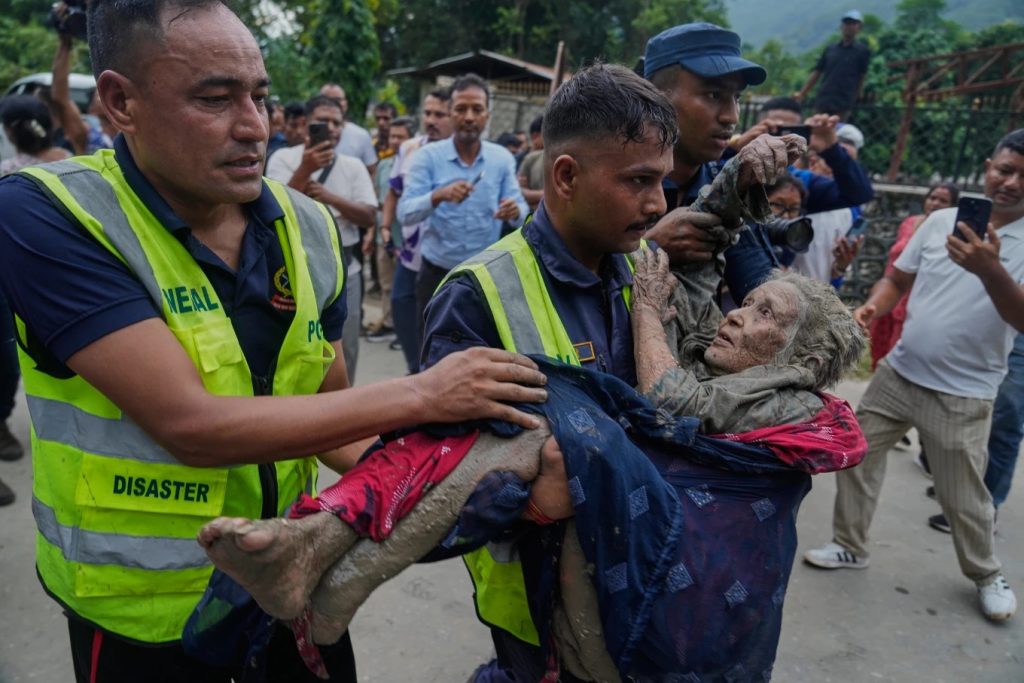
As search and rescue operations continue, a comprehensive assessment of the full scale of damage and humanitarian needs is underway. The disaster has highlighted the vulnerability of communities living along river corridors and the importance of preparedness, resilient infrastructure and coordinated emergency response.
Caritas Nepal stands in solidarity with the families and communities affected by the Bhotekoshi flood. We extend our deepest condolences to those who have lost loved ones and reaffirm our commitment to supporting affected communities with compassion, dignity and solidarity during this difficult time.


